Fiction as Theology
-
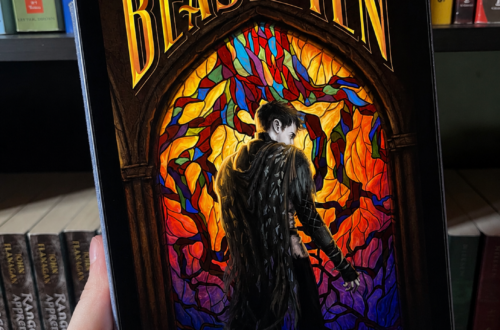
The Beast of Ten – Lessons on light overcoming darkness from an unusual Beauty and the Beast retelling
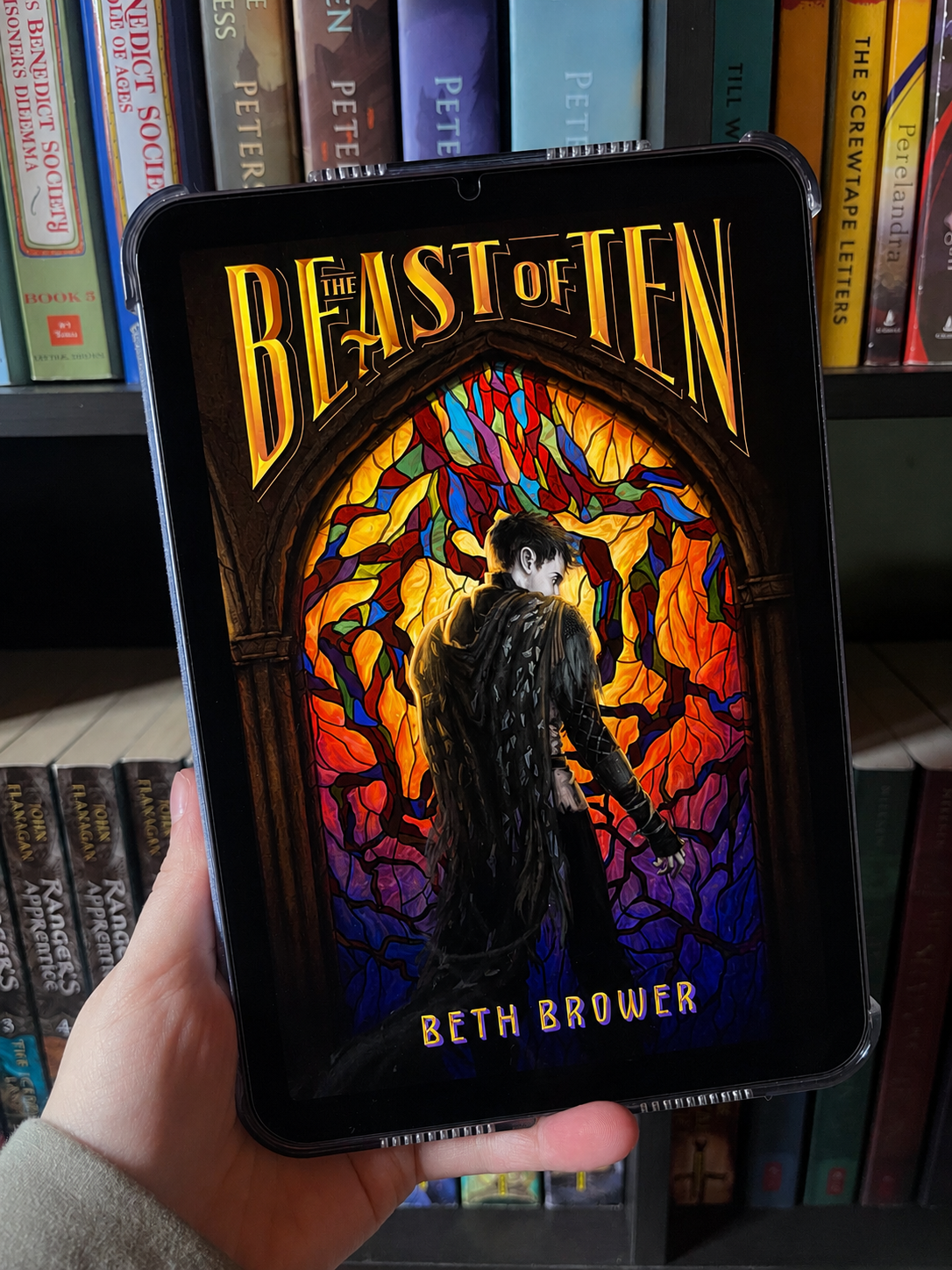
In the past two weeks, I have been writing on the theme of light vs. darkness. Today, I want to share about a book I read this year that perfectly exemplifies this theme in a gripping tale of redemption. How far gone is too far gone? And how much into the dark is too much? This is one of the major dramatic questions in Beth Brower’s The Beast of Ten. In a short note I wrote on Substack back in July, I described this book as not your average Beauty and the Beast retelling. It’s a story about light fighting the deepest darkness, redemption, and standing by someone’s side while…
-
How Do You Remember the Light?
What if your life has been surrounded by darkness for so long that you begin to wonder if light ever truly existed? In a previous post, I shared how we are all born with an innate desire for the Light (Jesus), because we were created by Him and for Him. And yet, that doesn’t negate the fact that many of us have seen true darkness in this world, and many more have experienced it firsthand in ways that have deeply affected their lives and outlook on the world. For many, they have been so surrounded by shadows that darkness feels more real than light and hope ever will. For others,…
-
Wanted: Chivalrous Heroes Who Know Right From Wrong
It is no secret that many authors in the general market have taken a shine to writing heroes who are morally gray and make questionable life choices. It seems that for a book to sell, a man has to be dark, brooding, have murky morals, and generally resemble a growling beast more than a gentleman. And let’s face it, this trend has been around for decades, as seen in works by Byron and the Brontes. This begs the question: what happened to chivalrous heroes who would stand up for what was right? I recently read a great Substack article by Elena B. Sato titled “Let the boys be good.” She…
-
What If We Included the Holy Spirit More in Our Stories?
Growing up, there was a popular series I became obsessed with: Left Behind. You’ve probably heard of it. Google describes it as a collection of apocalyptic novels centered on Christian eschatology, particularly premillennialist dispensationalism. (That’s a bunch of jargon for end times fiction with the belief that Jesus will come back to earth to reign for a literal thousand years after a literal seven year tribulation occurring after the rapture.) I absolutely loved this series. So much so that I read all 13 books of the main series, and then a few years later proceeded to read all 40 young adult novellas. Then I got older. My relationship with God…
-
What If God Isn’t Safe?
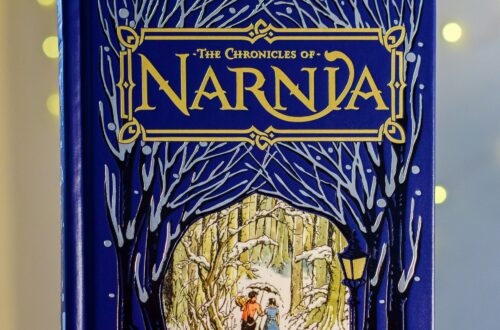
In The Lion the Witch and the Wardrobe, there is a part where the Pevensies meet the Beavers. They are speaking about Aslan, and this conversation has always stood out to me: “Is he—quite safe? I shall feel rather nervous about meeting a lion,” said Susan. “That you will, dearie, and no mistake,” said Mrs. Beaver; “if there’s anyone who can appear before Aslan without their knees knocking, they’re either braver than most or else just silly.” “Then he isn’t safe?” said Lucy. “Safe?” said Mr. Beaver; “don’t you hear what Mrs. Beaver tells you? Who said anything about safe? ‘Course he isn’t safe. But he’s good. He’s the King,…
-
Character Arcs and What They Teach Us About Spiritual Growth
One of the key elements in storytelling is building strong character arcs. Character arcs are the way a character changes throughout a story, whether for good or bad. They are what keep us turning the pages and reading, making us cheer for the main character, hoping they will achieve their quest and reach their goal. They are also what make us cheer against the villain. As I’ve learned more about character arcs, I’ve realized that I’m very drawn to them because they reflect the way that we learn and grow as believers and children of God. Character arcs in fiction are, many times, a parallel of our own personal growth…
-
I Love Stories About Orphans. Why?
The majority of bestselling stories (at least in middle grade and YA) feature an orphan protagonist. Anne of Green Gables, The Secret Garden, and The Mysterious Benedict Society all feature orphans. And even The Hunger Games and Percy Jackson feature main characters raised by one parent, in both cases the mother, with the father either dead or out of the picture. In my own writing, I have found myself gravitating towards writing stories about orphans who get adopted by kings or chiefs, and orphans who play a large role in saving their world and families. This has led me to ask myself the question: why do we love stories about…
-
What The Fellowship of the Ring Teaches Us About Community
“A friend loves at all times, and a brother is born for a time of adversity.” – Proverbs 17:17 (NIV) Throughout the epic quest of Lord of the Rings, there is one character that stands out for his valor, steadfastness, loyalty, and determination. Samwise Gamgee, an ordinary hobbit whose life aspiration was tending a garden and having a family, becomes essential to Frodo’s quest to journey into the land of Mordor and destroy the ring. Through every trial, Sam remains by Frodo’s side, willing to risk and lose it all in order to see his friend succeed. What would happen if all of us were so dedicated to our friendships…
-
What We Learn About Prayer From When Calls the Heart
How many times have we prayed in an attempt at changing our circumstances? Many of us have even prayed with the sole intention of changing God’s mind. And yet, prayer is less about us and more about God working His will in and through us. True prayer is all about getting our own hearts to beat in time with God’s. When this aligns, then the worries surrounding us shift, not necessarily because they have changed, but rather, because we have. “Before prayer changes others, it first changes us.” – Billy Graham Prayer Lessons From Elizabeth Thatcher As I thought about the transformative power of prayer, I was reminded of one…
-
What the Wingfeather Saga Teaches Us About Worship
Spoiler Alert: This post contains spoilers to North! Or Be Eaten and The Warden and the Wolf King. Please keep this in mind while reading the post, particularly the final two sections. For as long as humanity has existed, the need to worship something or someone has been prevalent in society. I’d like to suggest that humanity longs for worship because from the foundation it was designed to worship. Isaiah recognizes this, saying that humanity was created for God’s glory. “Everyone who is called by My name, Whom I have created for My glory; I have formed him, yes, I have made him.” – Isaiah 43:7 (NKJV) Humanity Was Designed…