After the Darkness, Light
Can God be found in the dark? This is the last week of October, which means that Reformation Day is right around the corner. The Reformation perfectly illustrates the journey out of darkness and back into the light.
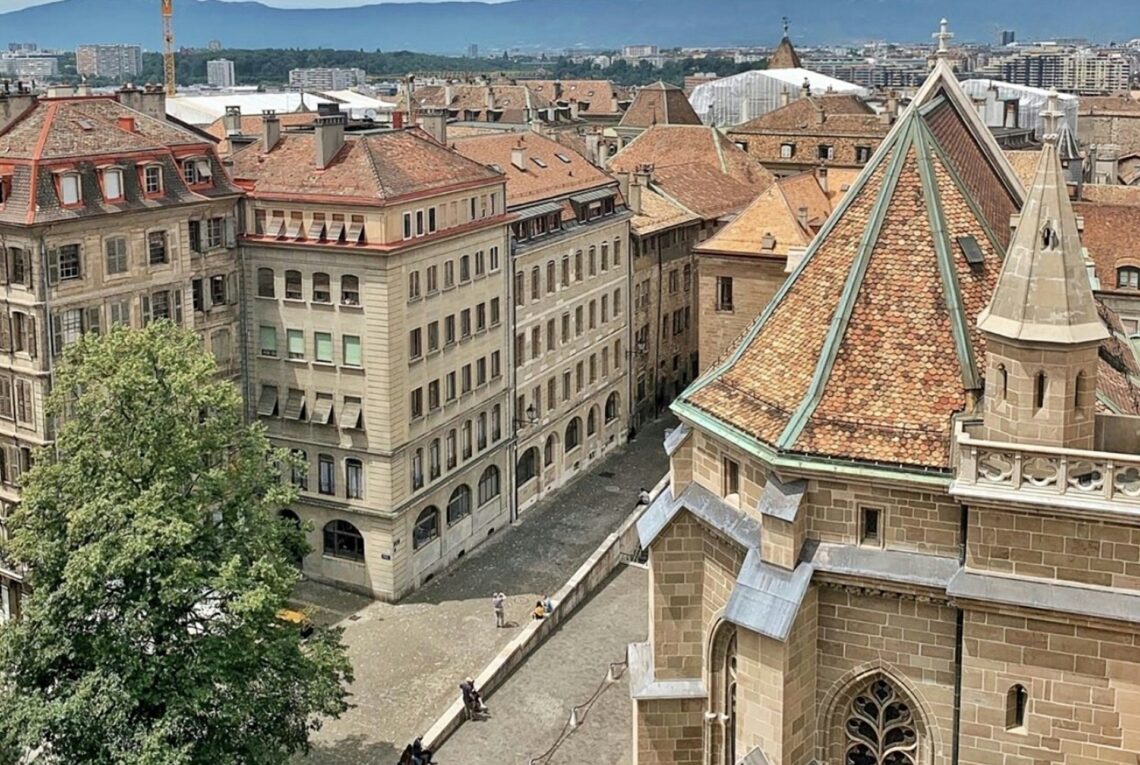
There is a motto closely linked with the city of Geneva: post tenebras spero lucem. This phrase translates into after darkness, I hope for light. (Remember last week’s post where I spoke about a character named Sperro? Clever, right?) After Geneva underwent a period of darkness, both spiritual and political, they embraced the Gospel around 1535-36. This led them to regaining some freedom from the bishop, and the city shortened this latin motto and minted their coins with it. The shortened phrase read: post tenebras lux, after darkness, light.
In Scripture, darkness is often associated with sin, which raises the question: Is all darkness, in fact, evil?
Is All Darkness Evil?
Biblically, there are many occasions where darkness didn’t represent sin or the devil, rather the power of God or even seasons of silence. In Exodus, God appeared before Israel on Mount Sinai in a dark cloud. Moses approached God who was in the dark cloud (Exodus 20:21). Later, David marvelled at the fact that anywhere we go, including places that seem dark, are not hidden from God (Psalm 139:11-12). King Solomon, when dedicating the temple, said God lived in “a thick cloud of darkness” (1 Kings 8:12, NLT).
Sometimes we go through seasons in life that seem dark and we may wonder: have I sinned? But not every dark place in life is a result of our disobedience to God. Rather, it can be a season where we need to dig deeper to find that God is, in fact, still present in the dark cloud.
Many believers will wrestle with seasons of silence and doubt. This is much like what happened to Martin Luther as he searched for God. It’s in these places where we have to lean into our faith and hold on to what we know to be true. God doesn’t abandon us in these places; rather, He invites us to know Him better and deeper, not out of sight or emotions, but out of faith.
I can only imagine how terrifying it must have been for Moses to hike up Mount Sinai while a dark cloud engulfed it. Then he stepped into the cloud which everyone in Israel was terrified of. But when he stepped in, he encountered God like never before. There is a closeness that we can discover with God if we cling to faith and boldness and step into the places where He is inviting us, even if they look intimidating from the outside.
In all of this, it’s important to remember that the darkness where God lives isn’t a darkness devoid of His presence and goodness. It isn’t a place where sin abounds and the devil dwells; rather it is a place where He can be found not just by sight, but by faith. It is important not to confuse the darkness where God dwells and the darkness caused by sin or disobedience.
How do you distinguish between these? A simple way to distinguish between darkness that comes by sin and darkness that comes in seasons of silence is to ask ourselves a question: Am I actively hiding from God or am I having a hard time finding Him? If you are hiding from God, search your heart and ask yourself why. If there are things you need to repent of, remember that God is willing to forgive and eager to draw near to you. Even darkness is as light to him (Psalm 139:12). And if you are in a season of darkness where you’re simply having a hard time hearing God, lean in and trust Him. He will never abandon you or leave you alone in the dark.
Finding God When You Can’t Feel Him
I think we have all gone through moments where it almost felt like God couldn’t be found. It’s in these places where we pause and evaluate the things we believe and decide which are worth clinging to. It’s in these places that faith has a true chance to grow roots. Real faith isn’t about a feeling, but about a choice grounded in unmovable beliefs. Seasons of darkness can reveal what we truly believe about God and ourselves.
The early reformers found themselves in a season of darkness that was both political and spiritual. It was at this time that they dug deep into God, the Word, and themselves to find out what was real and what wasn’t. In this search for the truth, Martin Luther encountered the reality of justification by faith after years of anguish concerning his own salvation. Luther was then able to speak out against the abuses of the church and firmly stand for what he believed and knew to be the truth in the Bible. According to tradition, this search led him to nail his 95 Theses to the doors of the Wittenberg church on October 31, 1517. This date later became known as Reformation Day.
Luther’s Reformation began in Wittenberg, but its message spread. About two decades later, it reached Geneva through the preaching of Guillaume Farel, which led the city to adopt the Gospel and the motto post tenebras lux.
I believe that seasons where we can’t feel God are an invitation to lean a little closer and search a little further. To find our way back into the light in these moments we need to cling to God, continue seeking, search the Scriptures, surrender, and trust God. Those who find the light push through the unknown and their discomfort. They don’t pull away or abandon the search, but lean closer to God. And even when the search feels slow, they remember God is still near.
God is always present, even in the dark. Seasons of darkness, when we know we are living in obedience and surrender to God, are an invitation to trust Him and learn to experience Him in new ways.
“Who among you fears the Lord and obeys the word of his servant? Let the one who walks in the dark, who has no light, trust in the name of the Lord and rely on their God.” – Isaiah 50:10 (NIV)
After the Darkness, Light
Every season of darkness carries with it the hope of light, just like every winter carries the hope of spring, no matter how cold and brutal it may be. Geneva’s traditional motto was post tenebras spero lucem, and it gave voice to hope through years of political and spiritual darkness. When the city broke free from the bishop and embraced the Reformation, hope became celebration: post tenebras lux. The phrase itself comes from the book of Job, where Job speaks in despair after his friends have been “comforting” him. Feeling defeated, he says: “These men say that night is day; they claim that the darkness is light” (Job 17:12, NLT). The Latin Vulgate renders the end of that verse very differently: post tenebras spero lucem, “after darkness I hope for light.”
Afterwards, Job’s view shifts. He goes from viewing life from his friends’ perspective and he has a sudden flash of hope. He claims: “But as for me, I know that my Redeemer lives, and he will stand upon the earth at last” (Job 19:25, NLT). In the midst of doubt and darkness, Job had a burst of faith where he knew that God would intercede on his behalf. In its full context, Job later falls back into despair, but this phrase has been a motto for many Christians and, seen through the revelation of Christ, it becomes an encouraging declaration.
Just as Job went through darkness, only to later see the light through restoration, and just as the Reformers experienced darkness to later encounter God and a restoration of Biblical truth, we also have a hope. We have a hope that after seasons of darkness, God can redeem and restore. We have a hope that in seasons where truth has been convoluted, God can still lead us to His Light and restore us. No matter how dark the world may get, or how our own sight may dim, God’s Spirit will always guide us, and His Word will always be a lamp unto our feet (Psalm 119:105).
We Will See the Light
Through the cross of Jesus, we have all been given an opportunity to know the Light of the world intimately. We can walk through this life fully confident that He will never leave us nor forsake us. And by His Spirit, we can know that even seasons of silence that seem dark are never truly dark to Him.
My hope and prayer is that, whatever season you find yourself in, you will know that you are not forgotten. You haven’t been abandoned, and God hasn’t forsaken you. There is nowhere you can go that He cannot find you with His love and redemption. I pray you have a fresh revelation of God as your Light, and as the one who is always available, even in times of trouble.
As we finish our October series, I hope you remember that after the darkness, there is light. Post tenebras lux!
Anna
Photo by Pablo Velasquez on Unsplash
Anna Raquel Lont
Hello! I'm Anna, an avid consumer of books and tea and a passionate lover of Jesus. I'm passionate about words and storytelling. I love teaching and I enjoy embroidery and baking.

You May Also Like
“Look at Me”: Seeking God’s Face in Chaos

My Favorite Verses When Life Gets Unpredictable